Find a store near you or order easily through our online store!






“Colic? That’ll never happen to me!” Your horse has been with you for years and isn’t prone to it. That’s great, of course. Until… disaster suddenly strikes. Because the reality is that colic always hangs over us like a looming threat, no matter how carefully we care for our horses.
Here at Vitalbix, we recently had another close call with one of our horses. Fortunately, everything turned out well because we were able to intervene in time. That’s what motivated us to write this blog post. Because intervening in time and knowing what to look out for can literally mean the difference between life and death.
Seasonal changes and shifts in grazing patterns can play a major role in the development of colic. These changes are simply a fact of life. But the good news is: there are ways to reduce the risk of colic. That’s why we’re sharing six helpful tips that can help you prevent colic.
The different types of colic and their symptoms
What exactly is colic?
But first, what is colic? Colic is a common condition in horses characterized by (severe) abdominal pain. It can have various causes, such as gas buildup, blockages, sand, or even a twisted intestine. It can range from mild to severe cases and often requires immediate medical attention. Colic can be life-threatening for horses. So the rule of thumb is always: take it seriously!
The symptoms of colic can sometimes give you a clue as to which type you’re dealing with. This can be helpful, because some types of colic are more acute than others. So even though there’s a lot of overlap, we’d like to explain which specific symptoms are typically associated with which type of colic. But remember: if in doubt, always call your veterinarian first.
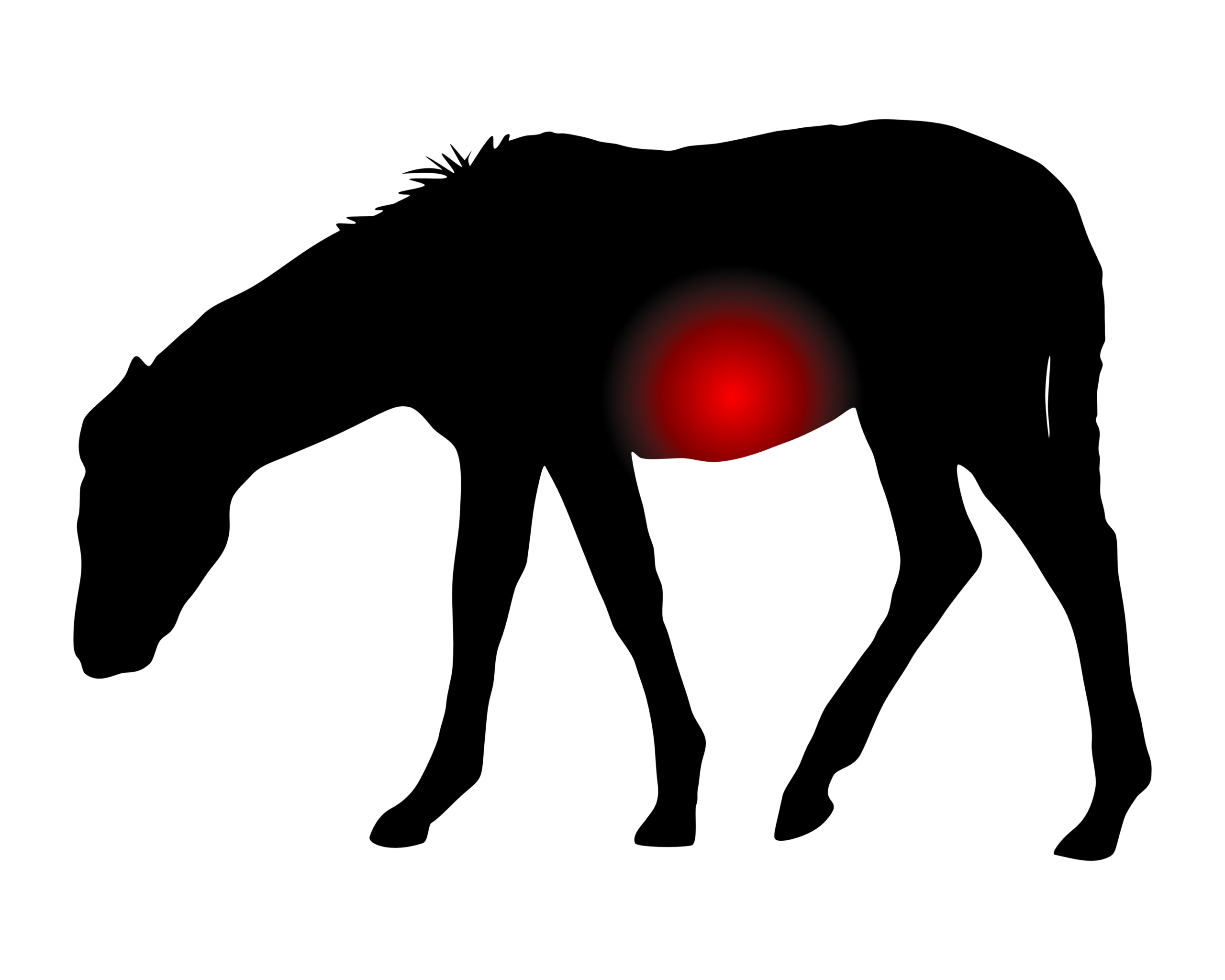
Gas colic
This condition is caused by gas buildup in the intestines, which results in pain and discomfort for the horse. In itself, gas buildup in a horse is quite normal and not a problem. It only becomes a problem when there is an excessive amount of gas in the intestines.
Possible causes of gas colic
1) Incomplete digestion of starch and sugars in the large intestine. When a horse consumes too much of these, they cannot be fully digested in the small intestine. The undigested portion then flows into the large intestine, where an imbalance in the bacterial flora can occur. This leads to several problems, including colic (but also an increased risk of laminitis, for example). Concentrates with a high starch and sugar content are a risk factor, but sugar-rich grass or hay can also cause excessive gas formation.
2) Gas colic can also be a sign of another underlying cause of colic, such as a blockage in the intestines, which can also cause a normal amount of gas to accumulate.
Symptoms of gas colic
These include restlessness, kicking at the abdomen, and excessive rolling.
Intestinal obstruction
A horse's digestive tract has several narrowings, which can lead to blockages.
Possible causes of impaction colic
1) Eating large amounts of straw, coarse-stemmed hay, silage, or other bedding material.
2) It can also be caused by a lack of something he or she isn’t getting enough of: water. If your horse cannot access water—for example, because the water trough has broken without you noticing, or has frozen—this can have serious consequences. To compensate, your horse may absorb so much moisture from the intestinal contents that the fibrous mass in the intestines becomes too dense and hard, and cannot flow smoothly through the narrowings of the intestinal tract.
3) Dental problems. If your horse is unable to properly chew roughage, the risk of blockages increases.
Symptoms of impaction colic
No or very little manure, reduced appetite, and restlessness.
Change in position for colic
This is a severe form of colic in which the intestines become twisted, cutting off the blood supply. As you can imagine, this causes severe pain and damage.
Possible causes of intestinal obstruction
A key feature of a horse’s intestinal system is that most of both the small and large intestines lie “loose” within the abdomen. As a result, sections of the intestines can become twisted around each other, a condition known as “intestinal obstruction.”
Symptoms of positional colic
The symptoms of positional colic can include all of the symptoms listed above, ranging from mild to very severe. Specifically, restlessness and sweating are particularly common. This form of colic is so severe that you should call a veterinarian as soon as possible.
Treatments for displacement can include medication, flushing fluid, or, in some cases, even surgery. The chances of success are generally highest when the displacement has not been present for very long. That is why it is so important to contact a veterinarian immediately if colic occurs.
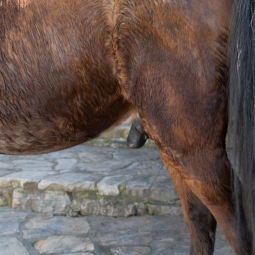
Intestinal colic
Spasmodic colic is a type of colic in which the intestines exhibit spasms and uncoordinated movements.
Possible causes of colic
This may be a reaction to changes in feed, housing, training, or stressful situations. Worm infections can also be an underlying cause; for example, it frequently occurs in conjunction with a severe tapeworm infection.
Symptoms of colic
Restlessness, kicking at the abdomen, increased heart rate and breathing
Sand colic
This type of colic is caused by ingesting sand. You’ll notice this especially if your horse is grazing on a bare or very wet pasture, or in a sandy paddock.
Causes of Sand Colic
If your horse is still out in the pasture, there’s a good chance it’s ingesting a lot of sand while grazing. The grass is often short, and even if it’s a bit longer, the pastures are wet, and the grass blades often come up root and all. On top of that, the grass that’s still standing provides little fiber, which doesn’t help intestinal function. If your horse is in the paddock, it will often eat from the ground: even if it gets its hay in a rack or net, whatever falls on the ground is often picked up as well. In addition, he or she may drink from shallow mud puddles, which also contain sand. From all these sources, it gradually accumulates in the digestive system. A little sand is normal, but if it builds up over time (this can take weeks, months, or even years), it can have serious consequences: colic and intestinal damage.
So it’s important to regularly check whether your horse has sand in its intestines. You can do this using items you find in and around the house. It’s important, however, to do it the right way and at specific intervals, and to interpret the results correctly. Want to know how? We’ll teach you in this blog!
Symptoms of sand colic
Loose stools, reduced appetite, and general signs of discomfort, as well as weight loss and diarrhea.
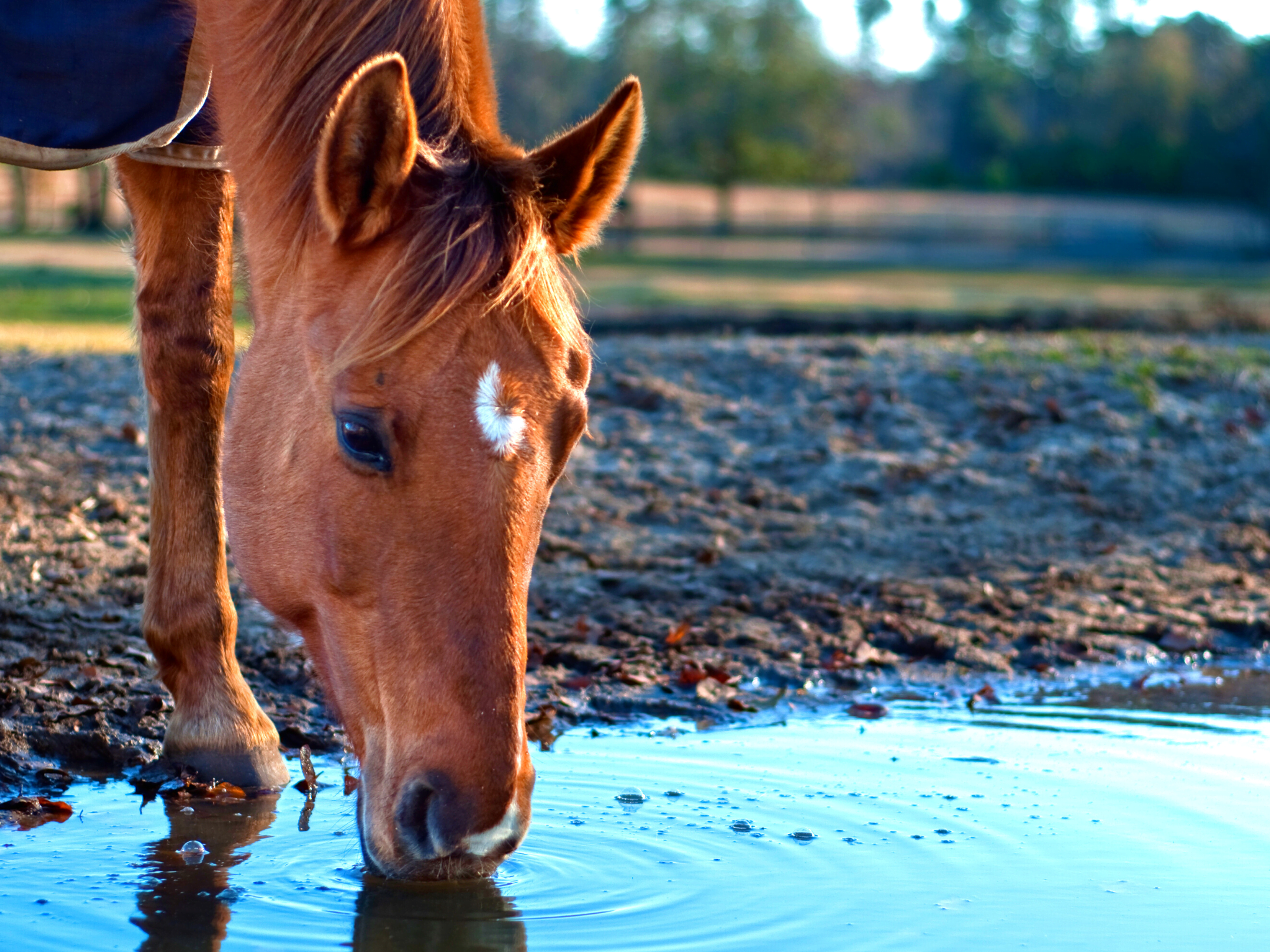
The 6 Best Tips for Preventing Colic in Your Horse
Although it’s not possible to completely prevent your horse from getting colic, these tips can help reduce the risk.
1) Gradual transitions in diet
Patience is your best friend when it comes to changing your horse’s diet! Give your horse plenty of time to get used to the new feed. If you’re switching to Vitalbix, or changing your roughage (such as switching to a different batch of hay or haylage), it’s wise to slowly phase out the current diet and gradually introduce the new one over 7 to 10 days. Also remember that the transition from the stable to the pasture—especially with the arrival of spring grass—should also be done gently. For example, you can start with an hour of grazing and slowly increase this, or you can limit grazing time by fencing off part of the pasture. This way, you help your faithful companion’s gut flora gently adjust to the new food. This can help prevent digestive issues and promotes overall health in any case. NutriMash, our delicious healthy mash, is packed with healthy prebiotic fibers. This gives your horse’s gut flora an extra boost—and makes your horse happy too!
2) Enough roughage
Make sure your horse never gets bored or hungry, so give him or her plenty of high-fiber food (roughage). This will prevent him from eating sand in the paddock or excessively nibbling on straw in the stall. Roughage forms the basis of a healthy diet; it is an important source of nutrition that promotes gut health. It is important that horses do not go without food for more than 4–6 hours (preferably even less), so make sure there is always something to nibble on. Are you relying on set (hay) feeding times, or do you want to stop giving hay because your horse is on the heavy side? It may be possible to give extra feedings of Fiber-Mix+ in between, for example. This way, you provide extra fiber that is guaranteed to be low in starch and sugars.
3) Small portions of concentrated feed and minimal starch and sugars
We recommend, as do equine clinics and veterinarians, avoiding large amounts of concentrated feed high in starch and sugars (“fast carbohydrates”). If the starch isn’t fully digested by the enzymes in the small intestine, the undigested starch can pass into the large intestine, where it can significantly disrupt the bacterial flora. This can lead to loose manure, stomach and intestinal ulcers, and other issues with the gastrointestinal flora. Thus, many concentrated feeds with high sugar and starch content contribute to various types of colic. Did you know that all Vitalbix products are rich in fiber (okay, except our Linseed Oil + Vitamin E, which is rich in oil 😉), and low in starch and sugars? You can find them here.
Read on below for 3 more important tips!


4) Sufficient exercise
By exercising your horse regularly or ensuring that your horse has sufficient freedom of movement, you stimulate blood circulation and digestion, and prevent boredom and stress. Exercise keeps the digestive system active and prevents food from stagnating in one place. Furthermore, it promotes healthy blood circulation, which is crucial for the absorption of nutrients and oxygen. This helps reduce the risk of colic by ensuring efficient processing of nutrients and oxygen. We understand better than anyone that providing more exercise (and preventing boredom) isn’t always easy to do. That’s why we’ve put together some tips in this blog about exercise and keeping your horse active in the winter.
5) Sufficient water
Sufficient water is vital for horses. A horse can survive for nearly a month without food if necessary, but just 48 hours without water can already cause signs of colic and other life-threatening consequences. Did you know that an average-sized horse drinks about 20–55 liters a day? Water plays an essential role in digestion and regulating body temperature (thermoregulation) in horses. So always make sure your horse has access to clean, fresh drinking water.
6) Preventive sand treatment with psyllium
Most cases of sand colic occur in the fall and winter. Depending on your horse’s risk factors, it is recommended to administer a preventive treatment once every 1, 2, or up to 3 months, because sand is a real “silent killer”: it builds up little by little. A preventive sand treatment helps prevent sand from having the chance to accumulate. For our own horses, we do this monthly with Vitalbix PsylliumMash. The big advantage? PsylliumMash ensures that horses actually enjoy taking psyllium. It consists of 50% psyllium seeds and 50% mash with no other additives. You can therefore give it to any horse with confidence! There’s much more to say about preventing, recognizing, and treating sand colic… we’ve compiled 15 tips for you. So do yourself and your horse a favor, and read them here!
None of these tips is a miracle cure or a guarantee that your horse will never suffer from colic. But the more tips you can put into practice, the better it is for your horse’s well-being—that much is certain.
Support your horse's health with Vitalbix
Tip: Give your horse a monthly sand treatment
By giving your horse a monthly preventive sand treatment, you can reduce the risk of intestinal problems such as sand colic.
Vitalbix PsylliumMash makes it easy to administer this treatment. A simple and tasty sand treatment containing 50% psyllium. Low in sugars and starch!
More benefits of Vitalbix PsylliumMash:
* It’s easy to administer, even for picky eaters. The sooner it’s eaten after preparation, the better it works. So a tasty sand treatment isn’t just enjoyable—it really does offer added value!
* No mess with mixing, and ready in just 5–10 minutes.
* Good value for money: most psyllium products cost between €25 and €38 for 1 to 2.5 kg of psyllium. PsylliumMash contains 3 kg of psyllium seeds and 3 kg of mash. So the psyllium is already cheaper than average, and you get the mash (and the convenience 😉) for free! The guidance, if you’d like it, is included too… see the bottom of this page!
* It contains no alfalfa

Our experts are happy to provide you with personalized nutrition advice
Every horse is unique and has different nutritional needs. That’s why our nutrition experts are happy to provide you with free, personalized nutrition advice to help you create the optimal diet for your horse(s). Do you have an overweight pony, a sport horse with a sensitive stomach, or multiple horses ranging from young to old? Our experts are happy to help you with all your nutrition questions. And with the nutrition advice form, requesting advice is very easy!